
Loading...
Serving Midland, MI and surrounding areas. (989) 486-6774
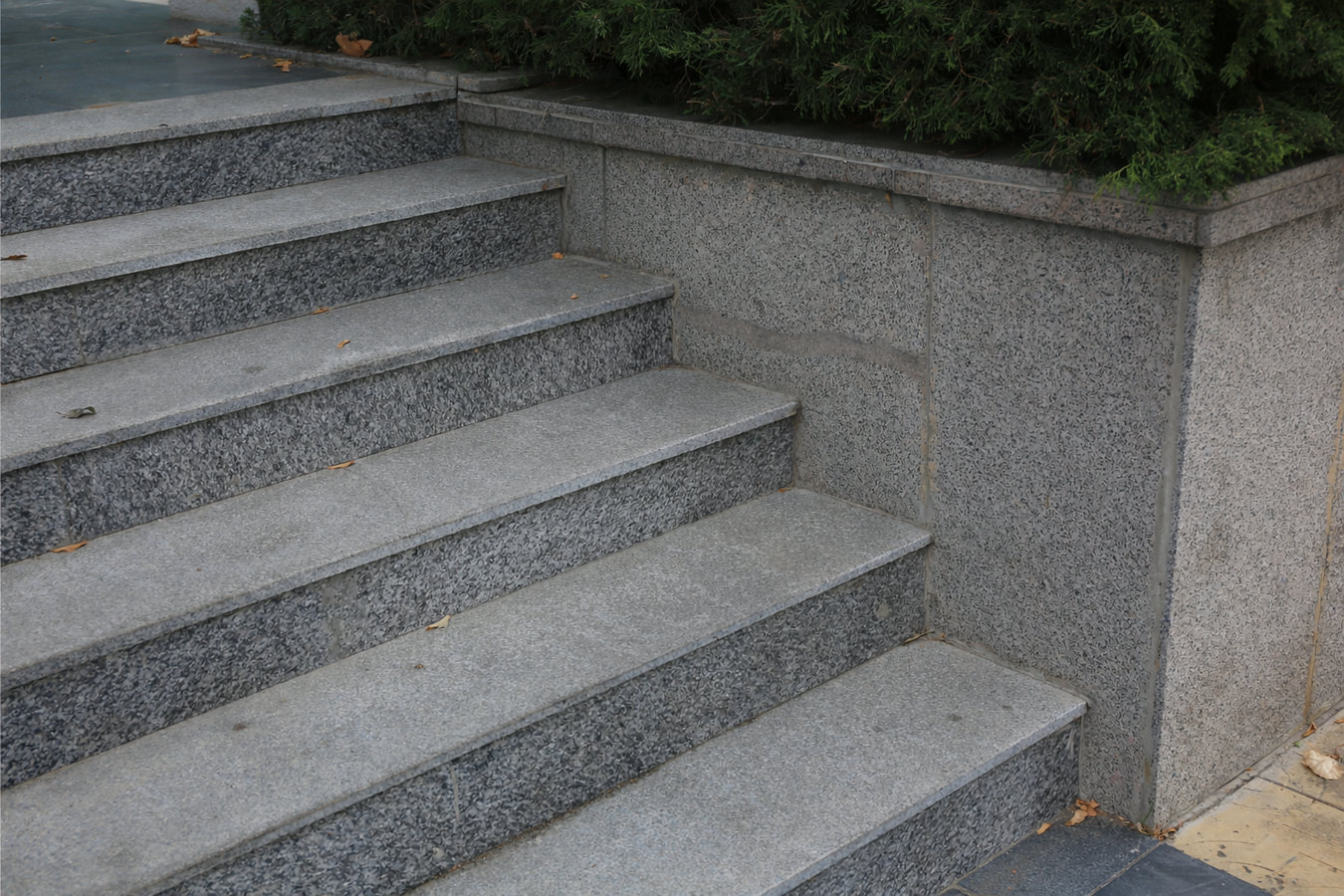
Crumbling or uneven steps are a safety hazard, especially in Midland winters. We build and replace concrete steps with consistent risers, proper drainage, and the mix your climate demands.
Concrete steps construction in Midland, MI involves demolishing old steps, preparing and compacting the base, forming and pouring new concrete with a freeze-thaw resistant mix, and finishing and sealing the surface, with most residential projects taking one to two days of active work plus several days of curing.
A significant share of Midland's housing stock was built in the 1950s through 1970s - which means a lot of original concrete steps that have been through 50 or more winters without proper sealing or maintenance. If your home is in that age range, the steps are likely well past their useful life even if they look passable. The risk is not just appearance - uneven or shifting steps are a real fall hazard, especially in Midland winters when ice and low light make every uneven riser more dangerous. If you are also dealing with a walkway from the driveway to the door, our concrete sidewalk building work can tie both projects together.
The part of the job you will not see once it is done - the base preparation - is what determines whether your new steps hold their position through 30 years of Midland freeze-thaw cycles or start tilting within a few seasons.
If the top layer of your steps is breaking away in chunks or the surface looks rough and pocked, that is Midland's freeze-thaw cycle at work. This damage does not stop on its own - it gets worse each season as more water finds its way into the exposed material. Once the surface is breaking down this way, patching rarely holds for more than a season or two.
If you can see daylight or feel a gap where your steps meet the foundation or porch, the steps have shifted - likely due to frost heave or soil movement. This gap allows water to run directly toward your foundation. It is also a tripping hazard, especially in winter when ice can form in the gap and then be hidden under snow.
If any step feels like it rocks slightly, or if the heights feel inconsistent, that is a safety issue. Uneven steps are one of the most common causes of falls at home, and the risk goes up significantly in winter when ice and snow are present. This is especially worth addressing if elderly family members or young children use the steps regularly.
If your home was built in the 1960s or 1970s - common in many Midland neighborhoods - and the steps appear to be original, they have likely been through hundreds of freeze-thaw cycles without proper sealing. Even if they look passable right now, older steps often have internal cracking that is not visible from the surface. A contractor can assess whether what you have is still structurally sound.
We handle full step replacement - demolition of the old concrete, base compaction, forming, pouring, and finishing. Every set of steps we build uses consistent riser heights and tread depths so they feel natural to walk up and down. Steps that are off by even an inch in height cause people to trip, especially when carrying something or coming in after dark. We also slope the surface slightly away from the house so water drains off instead of pooling at the base and running toward the foundation. For homeowners replacing a front entry and wanting to improve the approach from the driveway, our concrete sidewalk building team can build a matching walkway at the same time.
If your project includes a larger grade change or you need level access at the top of the steps, our slab foundation building work can add a landing platform that ties the steps into the home's structure properly. We discuss what makes sense for your specific entry during the estimate visit - not over the phone.
Best for steps that are shifting, separating from the house, or have damage too deep to resurface - includes demolition, new base, and a fresh pour.
Suits homeowners building an addition or replacing an entry that never had a proper landing, giving the door a safe, level platform at the top.
Ideal for homeowners who want stamped edges, exposed aggregate, or a broom finish that matches other concrete work at the home's exterior.
Midland's freeze-thaw cycle is the single biggest threat to concrete steps in this area. Temperatures routinely drop well below freezing from November through March and then swing back above freezing repeatedly - sometimes several times in a single week in late winter. Each cycle forces any water that has soaked into the surface to freeze, expand, and push against the concrete from the inside. Over enough winters, this is what causes the pitting, flaking, and crumbling you see on older steps around neighborhoods like those near Dow Diamond and along the older streets near downtown. Steps that were never sealed, or that were built on a poorly compacted base, fail much faster.
The practical window for concrete work in Midland runs from late April through October. Getting on a contractor's schedule early in that window - especially in spring, when demand peaks after everyone notices winter damage at once - is the best way to make sure your project gets done before the next cold season arrives. We work throughout the area, including Saginaw and Bay City, where the same freeze-thaw conditions apply to older housing stock.
We reply within one business day and schedule a visit to see your entry in person. We look at the existing steps, the ground beneath them, and how water drains from the area before quoting a price. You receive a written estimate that breaks out demolition, materials, and labor - not a single lump number.
For most new concrete step projects in Midland, we apply for a building permit through the City of Midland before any work begins. This typically takes a few business days. We handle the application - you do not need to navigate that process yourself.
The crew removes your existing steps, compacts the base, builds the form, and pours. Your entry will be fully blocked during this phase - plan to use another door. Most residential step pours take one day of active work.
Stay off the steps for three to five days, then use them lightly. After the concrete reaches working strength, the city inspector confirms the work meets code. We do a final walkthrough to cover maintenance, sealing schedule, and what to expect over the first winter.
We reply within one business day. No commitment required to get a written quote.
(989) 486-6774We use air-entrained concrete specifically designed for cold-climate freeze-thaw exposure and compact the base so the steps do not shift with frost heave. Those two decisions are what determine whether your steps hold their position through 30 Midland winters. The Portland Cement Association outlines the curing and mix standards we follow for cold-weather concrete work.
We form every set of steps with consistent riser heights and tread depths before a drop of concrete is poured. Steps that are off by even an inch cause people to catch their foot - and that risk is much higher in winter when you are carrying groceries or coming in from a dark parking area.
We apply for the City of Midland building permit and coordinate the final inspection. You get a paper trail showing the work was done to code - important if you sell your home or need to make an insurance claim. We never suggest skipping the permit to move faster.
We look at your existing steps and tell you straight whether patching is a realistic option or whether replacement is the smarter investment. If the steps are shifting or separating from the house, no patch holds for long in Midland's climate. We explain what we see so you can make the decision that makes sense for your home.
The combination of proper base preparation, freeze-thaw rated concrete, and consistent step dimensions is what makes the difference between steps you replace once and steps you replace again in a few years. We do not cut corners on the parts you cannot see once the job is done.
Add a properly formed concrete landing at the top of your entry steps, giving the door a level, structurally sound platform that ties into your home's foundation zone.
Learn MoreConnect your new entry steps to the driveway with a matching concrete walkway poured at the same time for a consistent, finished approach.
Learn MoreMidland contractors book up fast once the ground thaws - reach out now and lock in your spot on the spring schedule.