
Loading...
Serving Midland, MI and surrounding areas. (989) 486-6774
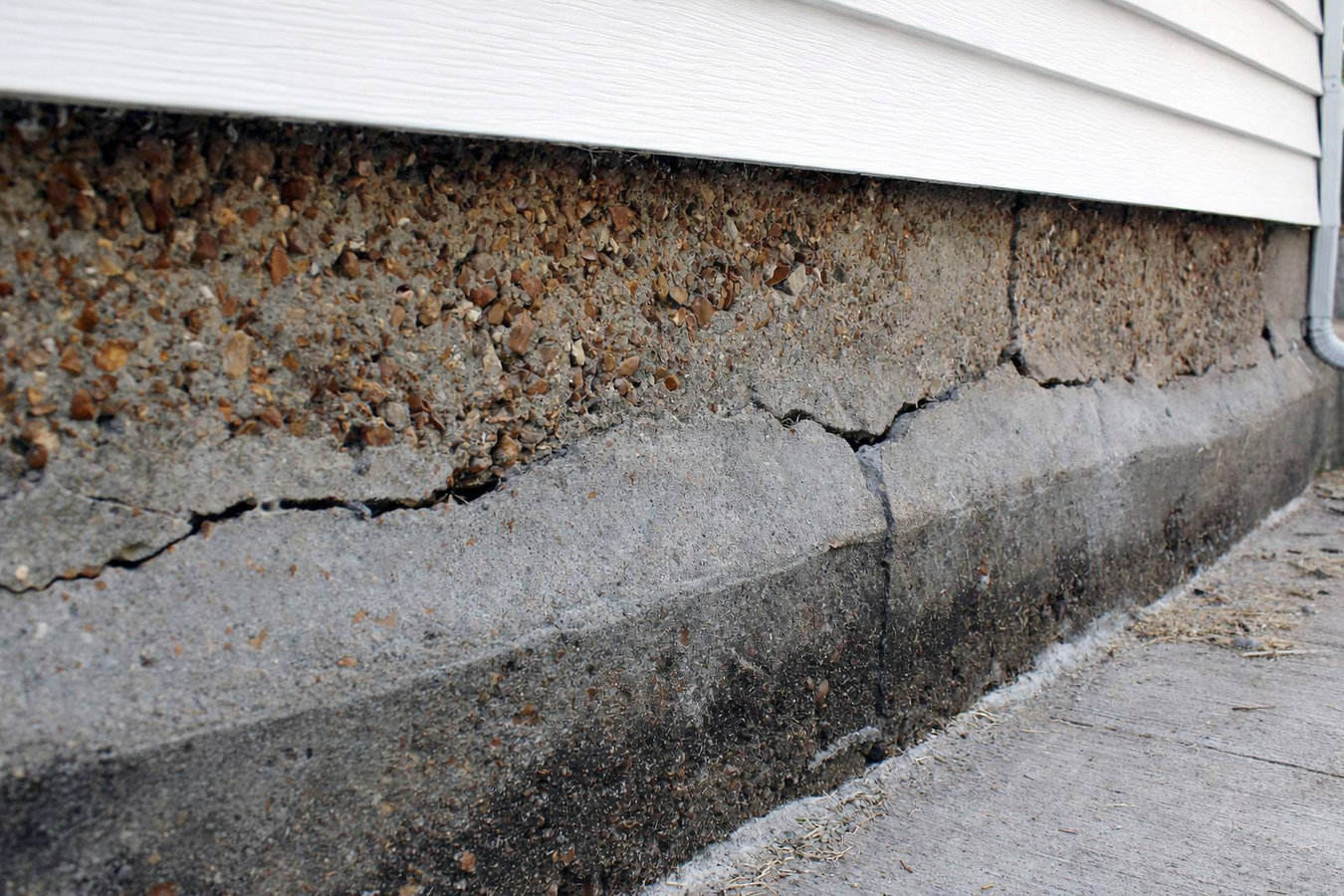
A sunken slab does not have to mean a full replacement. We lift concrete back to level, address what caused it to drop, and leave you with a stable surface that holds through Midland winters.
Foundation raising in Midland, MI is the process of lifting a sunken concrete slab back to its original position by pumping material beneath it to fill the voids that allowed it to drop, with most residential jobs completed in a single day and the surface ready to use within 24 hours.
If your driveway has developed a tilt, your patio drains toward the house instead of away from it, or your garage floor has an obvious dip, the concrete has not deteriorated - it has simply moved. In Midland, where freeze-thaw cycles work on the soil beneath concrete slabs every year, this is one of the most common issues homeowners face. The good news is that it is also one of the most fixable, without tearing out and replacing the whole slab. When the damage is more severe, we can pair raising with concrete cutting to remove only the sections that cannot be saved.
The two most common methods are mudjacking - pumping a cement-and-soil slurry under the slab - and polyurethane foam lifting, which uses a lighter, faster-curing material through smaller holes. A good contractor will recommend the right method based on your soil conditions and the scope of the problem, not just which one is easier to sell.
Stand at one end of your driveway, patio, or garage floor and look across the surface. If it clearly slopes in a direction it did not used to - or if water pools where it never did before - the slab has likely sunk. This is the most straightforward sign that foundation raising may be the right fix.
In Midland, it is common to notice a door that opened smoothly in October suddenly sticking by March. When the ground freezes and shifts beneath a foundation, it can push or pull the house frame just enough to throw doors and windows out of alignment. If this gets a little worse each year, foundation movement underneath may be the cause.
Small hairline cracks in concrete are normal, but cracks that are widening, running diagonally, or appearing in new places are worth attention. In older Midland homes with clay-heavy soil underneath, these cracks often signal the slab has shifted unevenly - one section dropping more than another.
Standing water collecting against your home's foundation in March or April - after Midland's snow starts melting - is sitting exactly where you do not want it. Over time, it erodes the soil beneath the slab and can accelerate sinking. If the slab is also dropping, the two problems are almost certainly connected.
We lift driveways, patios, garage floors, sidewalks, and foundation slabs throughout Midland using mudjacking and polyurethane foam lifting. Every job starts with an assessment of why the slab sank - because lifting concrete over a void that will keep growing does not solve the problem for long. We look at drainage patterns, soil conditions, and the extent of any settling before recommending a method. When a slab is too damaged to lift effectively, we can transition to slab foundation building so you are not pouring money into a surface that is past its useful life.
We also handle situations where foundation movement has affected the interior of the home - sticking doors, uneven floors, or gaps between the slab and exterior walls. In those cases, we coordinate the raising work carefully, checking that lifting the foundation will actually correct the interior problem rather than make it worse. For complete below-grade projects, foundation raising often precedes or works alongside concrete cutting when sections need to come out before new material goes in.
Suits most residential jobs where cost efficiency matters - a cement-and-soil slurry is pumped under the slab to fill voids and lift the concrete back to level.
Suits situations where soil weight is a concern or faster curing is needed - expanding foam is injected through smaller holes and can be walkable within 15 minutes.
Suits slabs that have not dropped significantly but show early signs of movement - filling voids before they grow prevents a minor issue from becoming a replacement job.
Suits any raising job where the contractor also identifies and addresses the water or drainage issue causing the soil erosion - so the repair lasts rather than just resetting the clock.
Midland sits in Michigan's Lower Peninsula, where the ground freezes more than three feet deep every winter and then thaws again in spring. That repeated cycle of expansion and contraction is one of the primary reasons concrete slabs gradually drop or tilt in this area. The glacially deposited soils across mid-Michigan also carry significant clay content, which swells when wet and pulls away when dry - a movement pattern that puts more stress on slabs than sandier soils would. Homes built in the 1950s through 1980s, which make up a large portion of Midland's housing stock, have had decades for this movement to accumulate, and the slabs in those neighborhoods often need attention before they drop further. We serve homeowners across Midland, MI as well as Saginaw, MI and understand how local soil and climate conditions shape what these repairs actually require.
The other local factor worth knowing is Midland's snowmelt pattern. The city averages around 30 inches of snow per year, and when that melts quickly in March and April, large volumes of water move through the soil around and beneath foundations. If your yard does not drain well - or if your gutters direct water toward the house - that seasonal surge can erode the soil under your slab faster than normal. The International Concrete Repair Institute sets professional standards for concrete repair and slab lifting that guide how quality contractors approach root-cause diagnosis - not just symptom treatment.
Describe the tilt, gap, or other signs you have noticed. We reply within one business day and schedule a free on-site visit - you do not need to know the cause, just what you are seeing.
We walk the area with you, check how far the slab has dropped and why, and look at drainage patterns and soil conditions. You get a written estimate at the end of the visit, not a vague ballpark.
If the scope of work requires a permit from Midland's Building Safety office, we handle that for you. Once permits are in order, we schedule the work day and tell you exactly what to prepare.
We drill small holes, pump material beneath the slab, and watch it rise back to level - stopping when it is where it needs to be. Holes are filled and smoothed, and we clean up before leaving. Curing time depends on method: mudjacking needs 24 hours before foot traffic; foam lifts cure much faster.
We come out, assess the situation, and give you a written estimate before any work begins. No obligation, no sales pressure.
(989) 486-6774Lifting a slab without understanding why it sank is a short-term fix. We look at drainage, soil conditions, and grading around your home and tell you honestly what will help the repair last - not just what gets the job done today.
The glacially deposited clay soils across mid-Michigan shift more than sandy soils, and our crew has worked this ground for years. We factor Midland's specific soil behavior into every quote and repair approach.
Midland's Building Safety Department requires permits for some foundation work. We know which jobs need them and handle the application ourselves - so the work is on record and you are protected if you ever sell the home.
If a slab is cracked into pieces or the underlying problem is too severe to fix by filling voids, we will tell you that directly. We do not recommend the more expensive option without a clear reason - and we do not recommend raising when full replacement is the right call.
Lifting a slab correctly means understanding what went wrong beneath it - not just pumping material until things look level. Our crew combines local soil knowledge with a straightforward process, and we back that up by handling permits and coordinating with the City of Midland Building Safety Department so the work is on record and you are protected.
When a slab section is too damaged to lift, precise cutting removes only what needs to go so the rest of your concrete stays intact.
Learn MoreWhen raising is no longer viable, we pour a new slab foundation built to current standards and sized for Midland soil conditions.
Learn MoreEvery season you wait, the soil shifts a little more. Call us now or submit your information and we will get back to you within one business day.